Distinguished Lecturer Seminar Series

A blue background features circles in green and blue. In the center, a globe illustration is surrounded by the text "DKFZ Distinguished Lecturer" and "International Seminar Series" in gold lettering. The design suggests an academic or professional event theme.

Upcoming Speakers

Dirk Schübeler - Friedrich-Miescher Institute for Biomedical Research

Date: 12.01.2026

Time: tbd

Location: Main Auditorium

Hosts: Epigenetics @DKFZ workshop

Titel: to be announced

About:

Dirk Schübeler obtained his PhD from the Technical University in Braunschweig, Germany working in the Helmholtz Center for Infectious Research in the group of Jürgen Bode. He then did postdoctoral studies at the Fred Hutchinson Cancer Research Center in Seattle, USA, working with Mark Groudine. Schübeler joined the Friedrich Miescher Institute of Biomedical Research (FMI) in 2003 as a junior group leader, in 2008 he was appointed senior group leader, and in 2011 he became adjunct professor at the University of Basel. In April 2020 he was appointed Director of the FMI. Since January 2021, Dirk Schübeler has been Full Professor of Molecular Biology at the University of Basel.

Schübeler serves on the editorial board of several scientific journals including EMBO Journal and Molecular Systems Biology. He is a member of the Scientific Advisory Boards of the Research Institute of Molecular Pathology (IMP), Vienna, Austria, the Wellcome-MRC Cambridge Stem Cell Institute (CSCI), Cambridge, UK and the Excellence Centre of Integrative Biological Signaling Studies (CIBBS), Freiburg, Germany.


Prof. Yardena Samuels - Weizman Institute of Science

Date: 09.02.2026

Time: tbd

Location: Main Auditorium

Hosts: M. Baumann

Titel: to be announced

About:

Prof. Yardena Samuels received her BSc from Cambridge University, UK in 1993, and earned an MSc in immunology at the Hebrew University of Jerusalem, in 1997. She completed a PhD at Imperial College, London in 2002. She worked as a postdoctoral fellow at Prof Vogelstein’s laboratory at Johns Hopkins University from 2003 to 2006. She served as an assistant professor at NIH before joining the Weizmann Institute in 2012. Today she is the director of the EKARD Institute for Cancer Diagnosis Research and is the incumbent of the Knell Family Professorial Chair. Prof. Samuels is the recipient of the Pezcoller Foundation - EACR Cancer Researcher Award, the Youdim Family Prize for Excellence in Cancer Research, has recently been nominated an EMBO member and is the President Elect for the European Association for Cancer Research

Prof. Samuels’ focus involves the identification of gene mutations that play a role in the progression of cutaneous melanoma. Her aim is to delineate ideal protein target combinations in melanoma to achieve lasting disease control. Her lab was part of the TCGA workgroup who published the Genomic Classification of Cutaneous Melanoma. Her lab has developed novel methods to identify cancer neo-antigens using genetic and proteomic methods. She has further been characterizing the immune response to these neo-antigens and developed relevant mouse models to investigate the role tumor heterogeneity plays in the tumor immune response.


Prof. Liron Bar-Peled  - Harvard

Date: 18.03.2026

Time: tbd

Location: Main Auditorium

Hosts: N. Gunkel

Titel: to be announced

About:

Liron is the Rullo Family Endowed Chair for Cancer Research at MGH and an Associate Professor of Medicine in Biological and Biomedical Sciences at Harvard Medical School. He received his Bachelor of Science degree in Biochemistry from the University of Georgia and his PhD in Biology from the Massachusetts Institute of Technology, where he used advanced cellular and molecular techniques to uncover how nutrients are sensed. As a Damon Runyon Postdoctoral fellow at the Scripps Research Institute, he leveraged chemical proteomic technologies to understand how cancer cells respond to oxidative stress. Having started his lab at the Krantz Family Center for Cancer Research, he has made important contributions to understanding how tumors sense and respond to metabolic stress and identifies new druggable vulnerabilities by integrating technologies that leverage high-throughput biochemistry, chemistry, and analytics with clinical insights.  Liron’s work led to the founding of Scorpion Therapeutics (acquired by Eli Lily) and he has been widely recognized in the field as a Pew-Stewart Scholar, Mark Foundation Emerging Leader Award, NIH/NCI Merit Award, V Foundation Scholar, MRA young investigator and Damon Runyon Innovator.


Prof. Rebecka Arnsrud Godtman  - Gothenburg University, Sweden

Date: 08.04.2026

Time: 13:00

Location: Main Auditorium

Hosts: S. Carlsson, P. Albers

Titel: to be announced

About:

Rebecka Arnsrud Godtman is an associate professor and urologist who specializes in prostate cancer research and clinical care at the Sahlgrenska Academy at the University of Gothenburg and Sahlgrenska University Hospital in Sweden.
Her work focuses on improving the screening, diagnosis, and long-term outcomes of prostate cancer patients. A key area of her research involves the long-running Göteborg population-based screening trials, where she has investigated the effectiveness of organized vs. opportunistic screening, the use of MRI in diagnostics, and the safety of active surveillance for low-risk cancers. Her research aims to reduce overdiagnosis and overtreatment, thereby minimizing the risk of complications like urinary incontinence and impotence.
Godtman has co-authored numerous influential, peer-reviewed articles published in major medical journals.


Dr. Berrington de Gonzalez - Institute of Cancer Research

Date: 26.05.2026

Time: tbd

Location: Main Auditorium

Hosts: R. Turzanski Fortner

Titel: to be announced

About:

Berrington de González was on the faculty at the University of Oxford and then Johns Hopkins Bloomberg School of Public Health before moving to the Radiation Epidemiology Branch at the National Cancer Institute (NCI) in 2008. She was awarded NIH scientific tenure in 2012, and was promoted to Branch Chief in 2014. 
In 2022, she took up the position of Professor of Clinical Epidemiology at the in London, UK. Berrington de González serves on two radiation risk committees for the National Academy of Science and previously served on the UK Health Protection Agency's Advisory Group on Ionising Radiation, and the UK Breast Screening Programme's Advisory Group. She is currently Vice Chair of the NAS Nuclear and Radiation Studies Board and has participated in many national and international radiation committees. She served on the editorial board for the American Journal of Epidemiology.
Berrington de González is co-PI of the UK Pediatric CT scans cohort, which was the first epidemiological study to suggest a direct link between CT scans and subsequent cancer risk. She also leads studies on the risk of second cancer after proton therapy and other emerging radiotherapy techniques.
The overarching goal of Prof Berrington's research is to quantify the potential cancer risks from this important source of radiation exposure in order to provide information for public health and clinical purposes. Her interdisciplinary training in epidemiology and biostatistics allow her to pursue this goal using both theoretical risk projection modeling and also by conducting epidemiological studies of medically exposed populations. The studies vary across the dose-spectrum from low-dose diagnostic and screening procedures to high-dose radiotherapy, with distinct opportunities and challenges in each area.


Prof. Ayelet Erez - Weizmann Institute 

Date: 02.07.2026

Time: 11:00

Location: Main Auditorium

Hosts: S. Wiemann

Titel: tbd

About:

Ayelet Erez was born in Israel, and completed her medical studies at the Technion Institute in Haifa, Israel. Following her Paediatric Residency, she completed a PhD in Cancer Genetics at Tel Aviv University. She then went to Baylor College of Medicine in Houston Texas, where she trained in Clinical Genetics together with being a postdoctoral fellow focusing on Inborn Errors of metabolism.
Ayelet returned to Israel on 2012 as a senior researcher at the Weizmann Institute of Science in Rehovot Israel, in parallel to working part time as a paediatric cancer geneticist.
In her lab, Ayelet’s research focuses on changes in cancer metabolism through the prism of amino acid homeostasis. She has found that changes in amino acid catabolism contribute to carcinogenesis and can be identified at the genomic and biochemical levels. Furthermore, these changes may be used to predict cancer response to immunotherapy, and may potentially lead to identifiable metabolic alterations that will enable early detection and “personalizing” immunotherapy.


Prof. Dr. Gabriel Adrian Rabinovich - University of Buenos Aires

Date: 18.07.2026 

Time: 11:00

Location: Main Auditorium

Hosts: M. Platten, D. A. Agardy

Titel: to be announced

About:

Dr. Gabriel Rabinovich completed his doctoral studies at the School of Chemical Sciences, National University of Córdoba. Currently, he is the Director of the Laboratory of Immunopathology at the Institute of Biology and Experimental Medicine in Buenos Aires. He is a Senior Investigator of the Argentinean National Research Council (CONICET) and Full Professor of Immunology at the Faculty of Exact and Natural Sciences, University of Buenos Aires. Together with his group, he identified a novel paradigm based on lectin-glycan interactions that plays a key role in the control of immune and vascular programs. Briefly, he demonstrated that galectins, a family of β-galactoside-binding proteins, can translate glycan-containing information into novel regulatory programs that control inflammation, suppress autoimmune pathology and allow cancer cells to evade immune responses and promote angiogenesis and metastasis. His findings opened new therapeutic possibilities in cancer, chronic inflammation and autoimmune diseases. He has recently co-founded Galtec Life, a biotechnology Startup, aimed at translating galectin-based discoveries into new therapies for patients with cancer, autoimmunity and chronic inflammation. 

He has published more than 300 articles, several in high profile journals including Cell, Nature, Cancer Cell, Nature Immunology, Nature Medicine, Immunity, Science Advances, PNAS and Journal of Experimental Medicine. His work was recognized with several awards including the Karl Meyer Award, the most important recognition given by the Society of Glycobiology (USA), TWAS in Medical Sciences (Italy), John Simon Guggenheim Award (USA), Outstanding Investigator of the Nation (Argentina), Bunge & Born Award (Argentina), Bernardo Houssay award (Argentina) and Konex Diamond Award to the most outstanding scientist of the decade in Argentina. 


Itai Yanai - NYU Grossman School of Medicine

Date: tbd September 2026

Time: tbd

Location: Main Auditorium

Hosts: C. Plass

Titel: to be announced

About:

Itai Yanai is a Founding Director of the Institute for Computational Medicine at the NYU Grossman School of Medicine. He is also a professor in the Department of Biochemistry and Molecular Pharmacology at NYU. Yanai has published extensively in bioinformatics and theory.  He has also done seminal experimental research in cell biology.

In 2016 Yanai co-authored a popular book; “The Society of Genes”, for the general public.
Together with Martin J. Lercher, Yanai has written a series of editorials on the creative side of the scientific process, which he called "Night Science" in reference to François Jacob. He also co-hosts a popular podcast with the same name.


Prof. Benjamin Tu  - UT Southwestern Medical Center

Date: tbd October 2026

Time: tbd:00

Location: Main Auditorium

Hosts: A. Teleman, J. Cleland

Titel: to be announced

About

Dr. Benjamin P. Tu is a Professor in the Department of Biochemistry at the University of Texas Southwestern Medical Center. He received his A.B. and A.M. degrees in Chemistry from Harvard College in 1998, where he worked in the laboratory of Dr. James C. Wang. He then received his Ph.D. in Biochemistry and Biophysics from the University of California, San Francisco in 2003 under the mentorship of Dr. Jonathan S. Weissman. He pursued postdoctoral training under the mentorship of Dr. Steven L. McKnight in the Department of Biochemistry at UT Southwestern. He started his own lab at UT Southwestern in 2007. He currently holds the titles of UT Southwestern Presidential Scholar, Martha Steiner Professorship in Medical Research, and W.W. Caruth, Jr. Scholar in Biomedical Research. He was appointed as an HHMI Investigator in Nov 2021.


Prof. Mark Dawson - Peter MacCallum Cancer Centre

Date: 14.01.2027

Time: 11:00

Location: Main Auditorium

Hosts: M. Milsom

Titel: tbd


Past Speakers

DDLSS Committee Members

  • Employee image

    Dr. Michael Milsom

    Head of DDLSS Committee

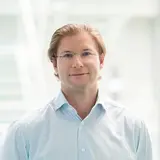
  • A professional man with short, dark hair and glasses smiles at the camera. He is wearing a light blue shirt, and a blurred background suggests a modern office or laboratory setting. The image conveys a sense of approachability and professionalism.

    Prof. Dr. Aurelio Teleman

    Show profile
  • Employee image

    Prof. Dr. Klaus Maier-Hein

    Head of Division

  • Employee image

    Prof. Dr. Darjus Felix Tschaharganeh

  • Employee image

    Prof. Dr. Hedda Wardemann

    Division Head

    Show profile
  • Employee image

    Prof. Dr. Mathias Heikenwälder

  • Employee image

    Prof. Dr. Volker Arndt

    Head

    Show profile
  • Employee image

    Prof. Dr. Claudia Scholl

  • Employee image

    Prof. Dr. Christoph Plass

    Division Head

    Show profile
  • Employee image

    Prof. Dr. Christiane Opitz

  • Employee image

    Prof. Dr. Leif Schröder

    Abteilungsleitung Translationale Molekulare Bildgebung

    Show profile
  • Employee image

    Dr. Gislene Pereira

  • Employee image

    Priv. Doz. Dr. Titus Brinker

    Abteilungsleitung

Form

Form data is loaded ...